
If you are planning a trip to Machu Picchu, one of the first questions you should ask is when is the Inca Trail closed. Many travelers only discover this detail too late, after checking flights or vacation dates.
When I first started planning my own Inca Trail trip, I was surprised to learn that the trail is completely closed every February. At first, I thought it might be related to a local holiday or festival, but the real reason is much more practical — and important.
This guide explains exactly when the Inca Trail is closed, why it happens, and what you can do instead.
Inca Trail Closing Dates — When Is It Closed?
The classic Inca Trail is closed every year for the entire month of February.
- ❌ No permits are issued
- ❌ No tour operators are allowed to enter
- ❌ No hikers can access any section of the classic trail
This closure happens every year without exception and applies to all travelers, regardless of nationality or tour company.
If your travel dates fall in February, you must remove the classic Inca Trail from your plans.
Why Is the Inca Trail Closed in February?
Heavy Rainy Season
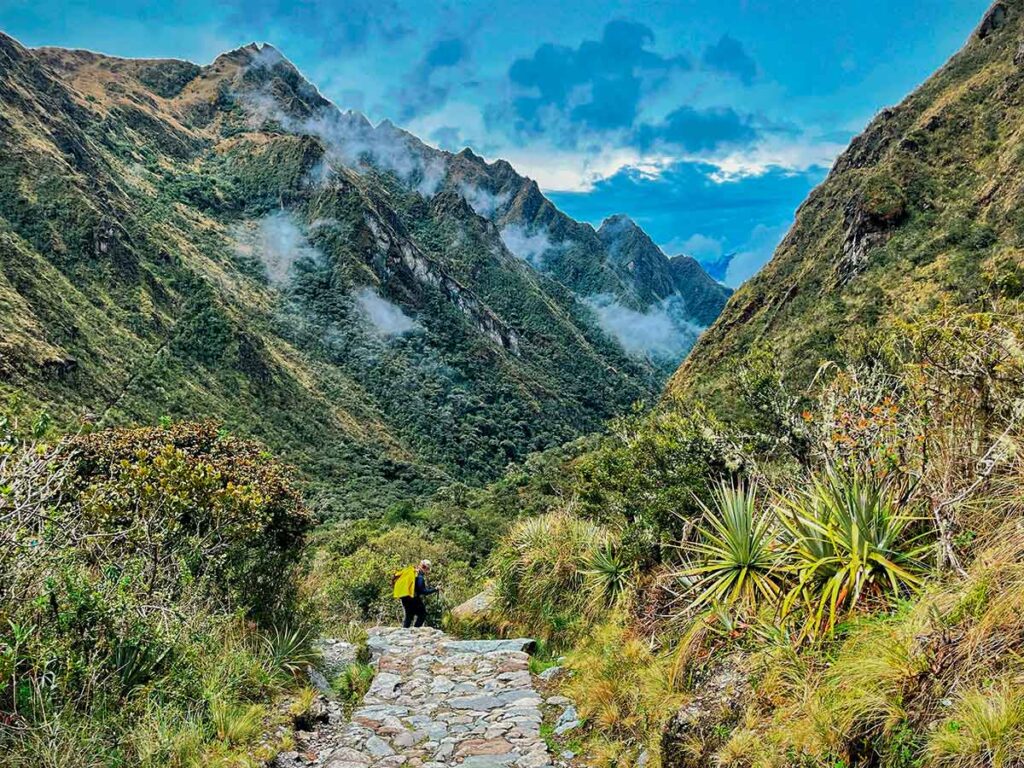
February is the wettest month of the year in the Cusco region. Constant rain makes the trail muddy, slippery, and unsafe.
When I learned more about it, it made complete sense: months of heavy foot traffic during the rest of the year leave the trail worn down, and February is when nature needs a break.
Government Conservation Program
The closure is an official decision by the Peruvian government. The goal is to:
- Repair stone paths
- Restore campsites
- Prevent erosion
- Protect archaeological sites
This maintenance ensures the trail remains safe and preserved for future generations.
Can You Hike the Inca Trail in February?
Short answer: No.
There are no exceptions, and attempting to enter illegally can result in fines or serious trouble. Even guided tours cannot access the trail.
I was lucky to find out early during my planning phase — otherwise, I would have wasted time and money chasing permits that simply do not exist in February.
Is the Inca Trail Closed at Other Times?
The Inca Trail is open from March to January, but short closures may happen due to:
- Landslides
- Extreme weather
- Emergency maintenance
These are rare and usually temporary. February is the only guaranteed annual closure.
Best Time to Hike the Inca Trail (Outside February)
- May to September: Dry season, best weather, highest demand
- April & October: Good balance of weather and crowds
- November to March: Rainy season (except February, which is closed)
Keep in mind: permits sell out months in advance. When I finally booked mine, I understood why people say permits disappear faster than food during a porter’s lunch break.

Best Alternatives to the Inca Trail in February
If February is your only travel option, you still have excellent trekking choices.
Salkantay Trek
- Open year-round
- More challenging
- Stunning mountain scenery
Palcoyo Rainbow Mountain
- Less crowded than Vinicunca
- Accessible even during rainy months
- Perfect for short hikes
These alternatives saved my trip planning and allowed me to experience Peru without changing my travel dates.
Conclusion
So, when is the Inca Trail closed?
👉 Every February, without exception.
Understanding this early can save you stress, money, and disappointment. If February is your travel month, choose an alternative trek. If not, plan early and book ahead — the experience is worth it.