
If you’re planning a trip to Peru, chances are you’ve asked yourself the same question thousands of travelers Google every year: is the Inca Trail worth it?
It’s expensive, permits sell out months in advance, and there are cheaper alternatives to reach Machu Picchu. So… does it really live up to the hype?
After hiking the Inca Trail myself, here’s the most honest answer I can give: it depends on what kind of traveler you are. This guide will help you decide if the Inca Trail is truly worth your time, money, and effort.
Why People Ask If the Inca Trail Is Worth It
The Inca Trail isn’t just another hike. It comes with a reputation — and a price tag.
The cost, the permits, and the expectations
For many travelers, the first shock is the cost. Compared to other treks around Cusco, the Inca Trail is significantly more expensive. On top of that, permits are limited and must be booked months ahead, which creates pressure to commit early.
That combination naturally raises doubts: Is it really better than the alternatives? Or is it just famous?
Inca Trail vs. other treks to Machu Picchu
Routes like Salkantay or Lares offer stunning landscapes and more flexibility, often at a lower cost. However, what they don’t offer is what makes the Inca Trail unique: walking through original Inca paths and archaeological sites, and entering Machu Picchu the same way the Incas did.
That difference matters more than many people realize — especially once you’re actually there.
What Makes the Inca Trail Different From Any Other Trek
Walking through real Inca sites (not just landscapes)
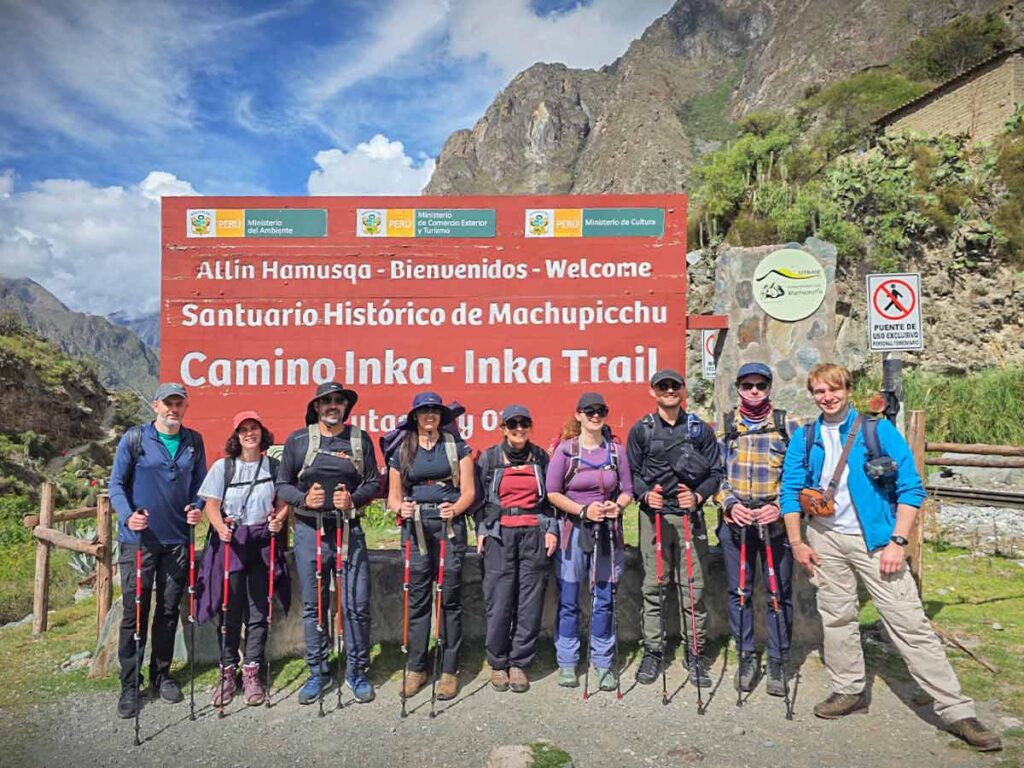
One of the biggest surprises for me was how quickly the trail immerses you in history. The hike officially starts at KM 104, after getting off the train in what feels like the middle of nowhere. Within minutes, you reach Chachabamba, an ancient ceremonial site where the Incas performed rituals to the mountains.
This isn’t a museum stop — it’s part of the trail itself. You’re literally walking through history.
Wiñay Wayna and the feeling of earning Machu Picchu
As the trail continues, the physical challenge increases. Stone steps, narrow paths, and steep climbs demand effort. But then you arrive at Wiñay Wayna, a breathtaking complex of agricultural terraces clinging to the mountainside. Its name means “forever young”, and standing there, tired but amazed, you understand why.
Moments like this are when the Inca Trail starts to feel truly special.
The Sun Gate (Intipunku): why arriving this way changes everything
Before reaching Machu Picchu, there’s one last steep climb known by many hikers as the “final staircase.” It’s intense, your heart is racing, and your legs are burning. Then suddenly, you reach Intipunku — the Sun Gate.
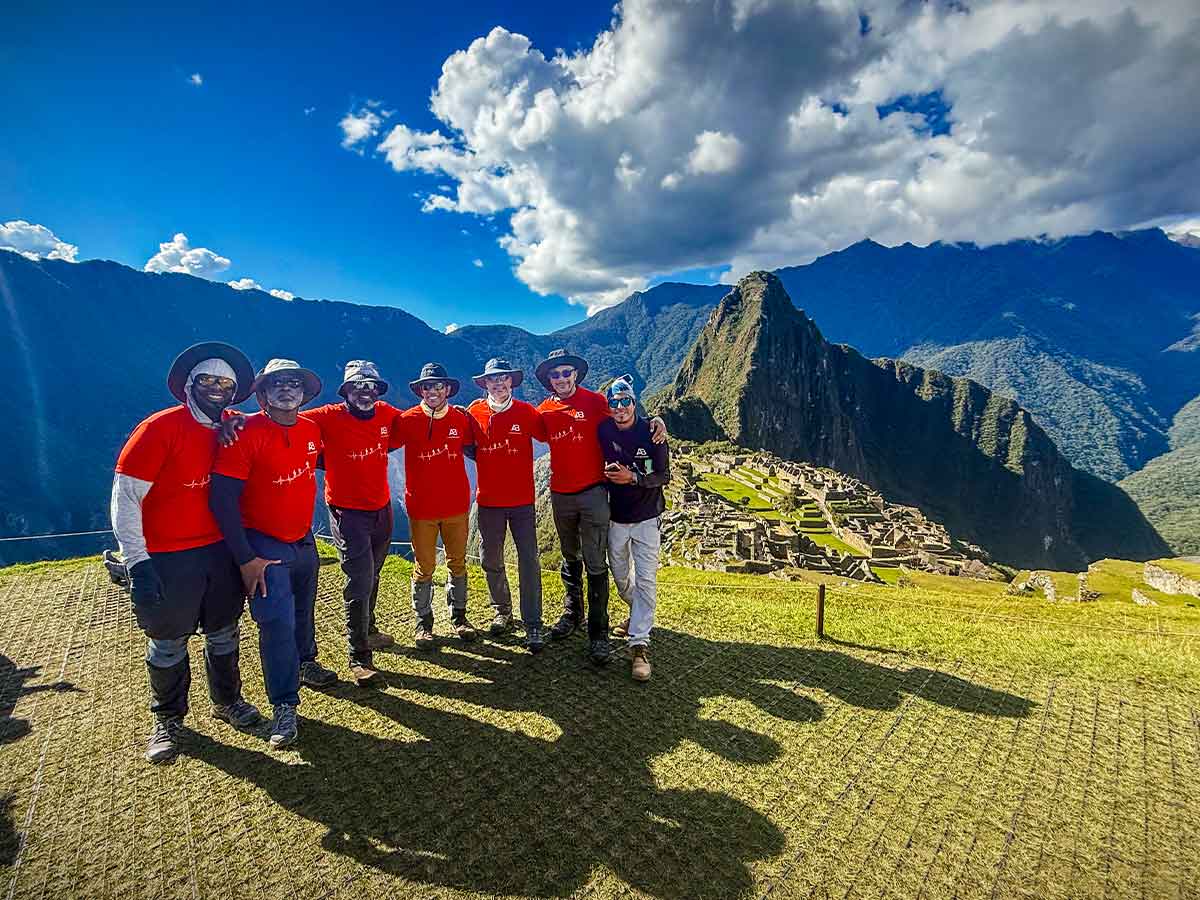
Seeing Machu Picchu for the first time from above, after days of effort, is completely different from arriving by bus. It feels earned. Emotional. Quietly powerful.
Is the Inca Trail Physically Worth It?
How hard it really is (for regular travelers)
You don’t need to be an athlete to do the Inca Trail, but you do need reasonable fitness. If you can handle long walks, uneven terrain, and several hours of uphill hiking, you’ll be fine.
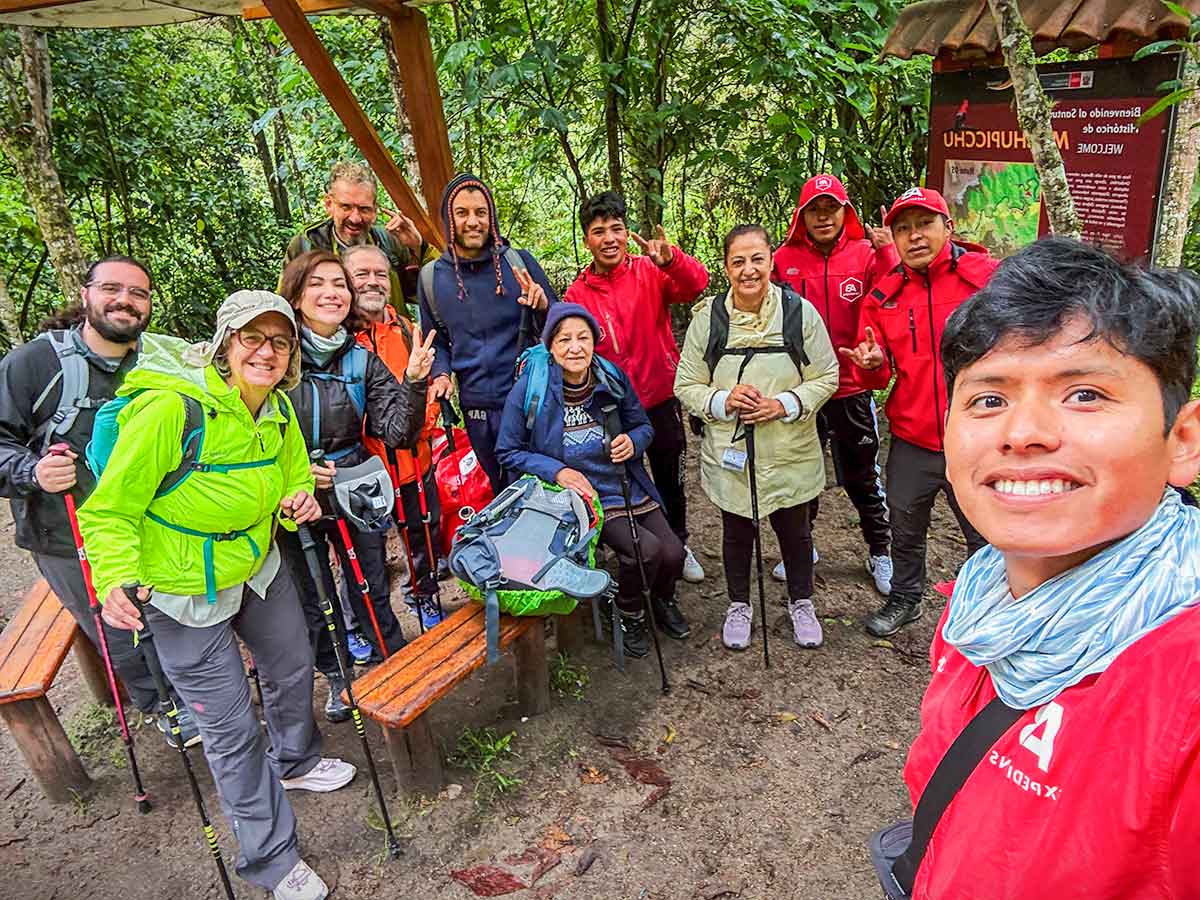
I saw people of all ages on the trail, taking it at their own pace. The key is understanding that it’s not a race.
Steep climbs, stone steps, and altitude reality
The difficulty comes from three factors:
- Continuous stone staircases
- Steep ascents and descents
- Altitude
There were moments when my heart was pounding and my legs were screaming, especially on the final climbs. But every challenging section was followed by a view or a site that made the effort feel worthwhile.
Why it’s not a race (and why that matters)
The Inca Trail rewards slow travel. Guides encourage you to listen to the sounds of the forest, notice the details in the stonework, and respect the mountains — what locals call Pachamama. That mindset transforms the hike from a physical challenge into a meaningful journey.
Is the Inca Trail Worth the Money?
What the price actually includes
The cost covers much more than just the hike:
- Permits and entrance fees
- Licensed guides
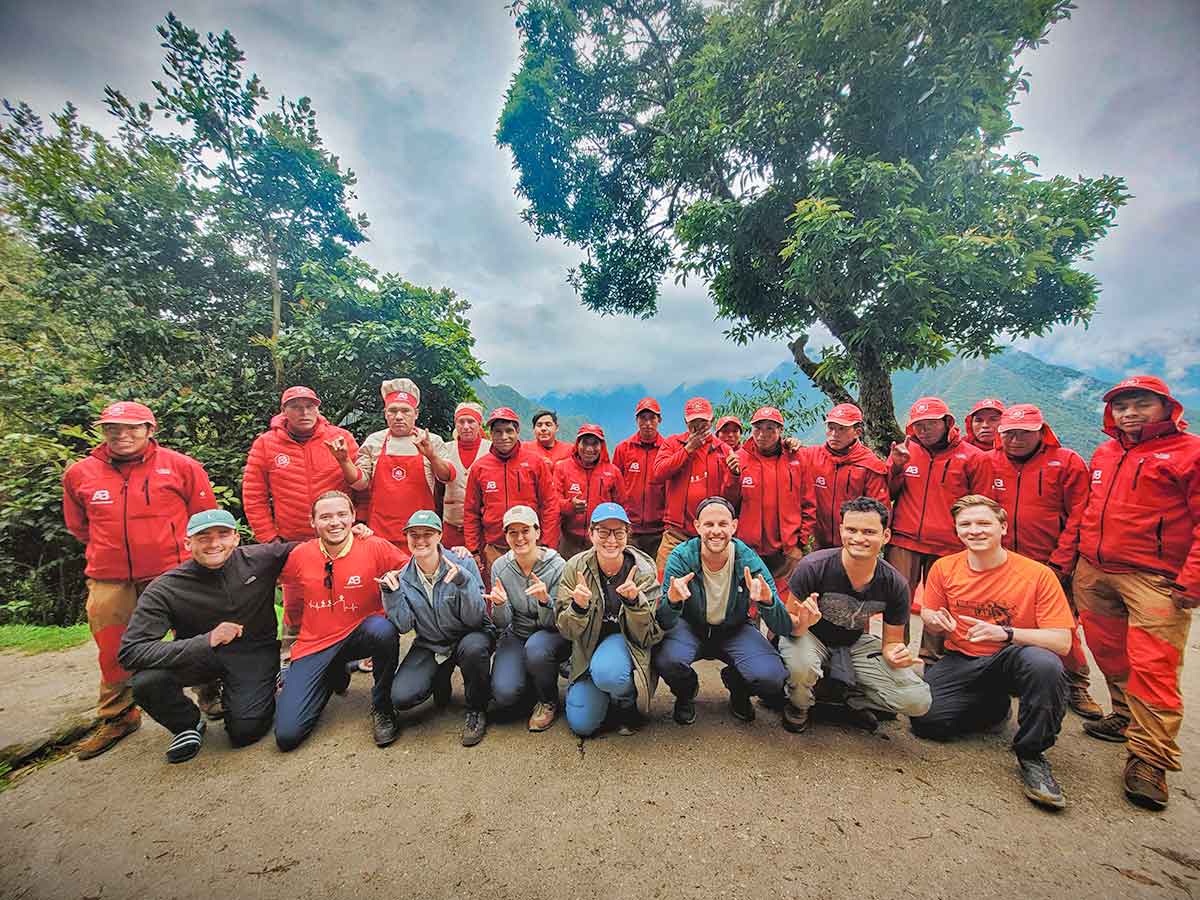
- Porters and support staff
- Meals during the trek
- Camping equipment
You’re also paying for strict conservation rules that protect the trail.
What you pay for that cheaper treks don’t offer
Unlike alternative routes, the Inca Trail gives you:
- Access to exclusive archaeological sites
- Entry to Machu Picchu through the Sun Gate
- A regulated, protected experience
That exclusivity is exactly why permits are limited — and why the experience feels so special.
Is it still worth it with current regulations?
Rules have changed in recent years. For example, the Inca Trail permit now only allows access to the upper part of Machu Picchu for the classic photo. If you want to explore the lower areas (like the Temple of the Sun or the Royal Sector), you must purchase Circuit 3 separately.
Even with these changes, the overall experience remains worth it — as long as you know what to expect in advance.
What Surprised Me the Most About the Inca Trail

Starting far from civilization
Getting off the train at KM 104 felt surreal. No town, no crowds — just mountains and forest. That immediate sense of isolation sets the tone for the entire journey.
Small details that make the experience unforgettable
Things like learning that Chachabamba means “valley of mosquito bites” (bring repellent!), or seeing how perfectly the stones fit together in ancient walls, stay with you long after the hike ends.
How the journey changes your first view of Machu Picchu
Arriving at Machu Picchu after days of walking changes how you experience it. It’s not just a landmark — it feels like the conclusion of a story you’ve physically lived.
Important Things to Know Before You Decide
Permits, passport rules, and timing
- You must carry your original passport — it’s checked along the trail.
- Permits sell out months in advance, especially for peak season.
- February is closed for maintenance.
Best time of year to hike the Inca Trail
- April to October: dry season, clear skies, more crowds.
- November to March: fewer people, greener landscapes, more rain.
What many travelers don’t realize until it’s too late
The Inca Trail isn’t just about Machu Picchu. If your only goal is a quick visit, the train may be enough. But if you want a deeper connection to the journey, the trail makes all the difference.
Who the Inca Trail Is Worth It For (And Who Should Skip It)
Travelers who will love it
- History lovers
- Travelers who enjoy meaningful physical challenges
- People who value experience over convenience
Travelers who might regret it
- Those short on time
- Travelers who dislike hiking or altitude
- Anyone looking for the cheapest way to Machu Picchu
Final Verdict — So, Is the Inca Trail Worth It?
Yes — if you value the journey as much as the destination.
The Inca Trail isn’t just a way to reach Machu Picchu. It’s a rare chance to slow down, connect with history, and experience one of the world’s most iconic places in the most meaningful way possible.