
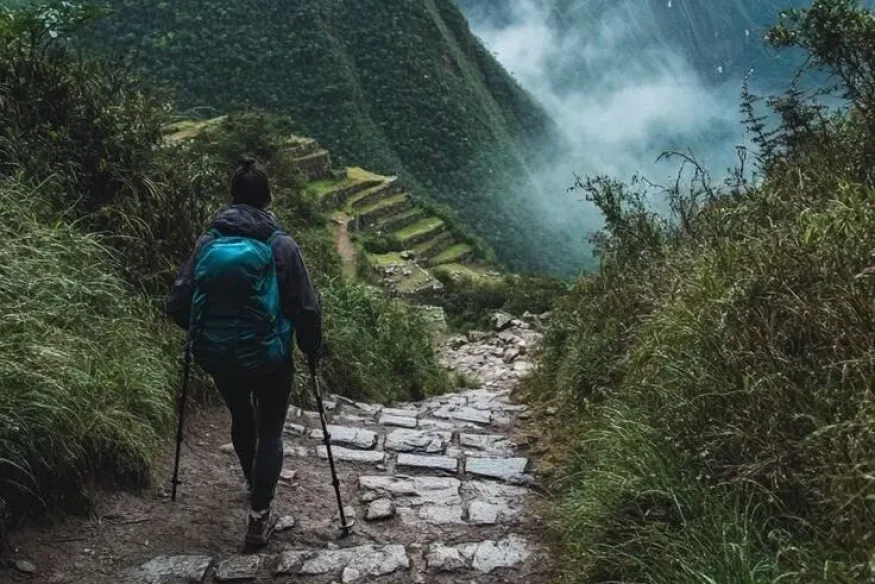
Importance of the Inca Trail in Peru
The Inca Trail to Machu Picchu is more than just a hiking route—it’s a journey through history, nature, and culture. This legendary path was once a sacred road used by the Inca Empire, connecting its vast territory to the hidden city of Machu Picchu. Today, thousands of adventurers hike the Inca Trail each year, experiencing breathtaking landscapes and ancient ruins along the way.
This network of trails is one of the most famous trekking routes in the world, leading travelers through the Andes Mountains, past stunning archaeological sites, and into the heart of the Sacred Valley.
What makes the Classic Inca Trail so special? Let’s explore its significance and why it remains an unforgettable experience.
A Journey Through History: Walking in the Footsteps of the Incas
The Inca Empire built an extensive system of roads, known as the Qhapaq Ñan, stretching over 40,000 kilometers. The trail to Machu Picchu is one of the best-preserved parts of this system, showcasing the engineering and knowledge of the Incas.
Along the trek, hikers pass through incredible sites like Wiñay Wayna, an ancient agricultural and religious complex, and Inti Punku, the Sun Gate, the final viewpoint before reaching Machu Picchu. Each step on this trail is a connection to the past, where travelers can imagine Incan messengers, nobles, and warriors walking the same path centuries ago.
The Natural Beauty of the Inca Trail
Beyond history, the Inca Trail trek is a journey through diverse ecosystems. The trail passes through lush cloud forests, open plains, and high mountain passes with stunning views of the Urubamba River. The biodiversity here is incredible—hikers often see rare orchids, hummingbirds, and even Andean condors soaring above.
At Dead Woman’s Pass, the highest point of the trek at 4,215 meters (13,828 feet), hikers experience the challenge of high altitudes, but the reward is breathtaking panoramic views of the surrounding peaks. The changing landscapes make this trek both physically demanding and incredibly rewarding.
The Inca Trail Today: Permits and Protection
Due to its cultural and natural significance, the Peruvian government strictly regulates the permits for the Inca Trail. Only 500 people, including guides and porters, are allowed to start the trek each day. This helps protect the fragile environment and maintain the trail’s integrity.
Because of this limitation, trekkers must book their journey months in advance, especially during peak hiking seasons in June, July, August, and September. These months offer the best weather conditions, with sunny days and cooler nights.

Why the Inca Trail is the Best Trek to Machu Picchu
While there are other treks to Machu Picchu, the Classic Inca Trail is the only one that enters the ancient city through Inti Punku, the Sun Gate. This dramatic entrance allows hikers to see Machu Picchu at sunrise, a once-in-a-lifetime experience that makes all the effort worthwhile.
With a perfect mix of history, adventure, and stunning landscapes, the Inca Trail to Machu Picchu is not just a hike—it’s a journey that connects you to one of the world’s greatest civilizations.
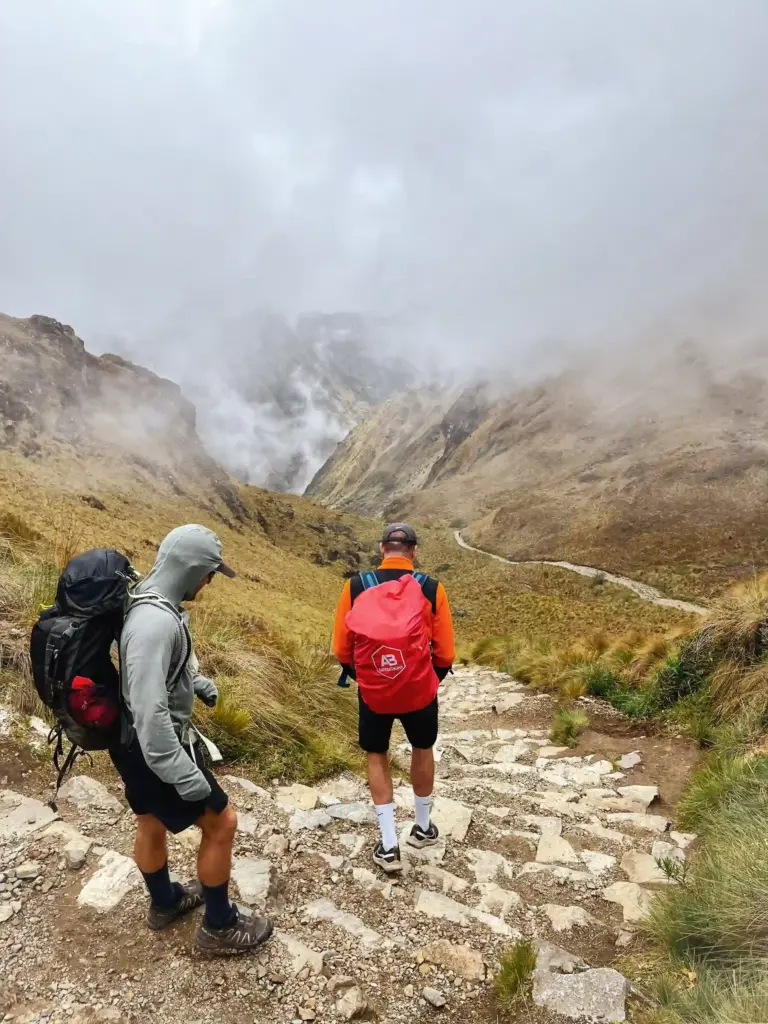
Why You Should Hike the Inca Trail
Whether you’re a history lover, an outdoor adventurer, or someone looking for a spiritual journey, the Inca Trail trek offers something unforgettable. Walking this ancient path allows you to experience the beauty of the Andes Mountains, visit incredible archaeological sites, and step into the footsteps of the Inca people.
If you’re dreaming of this adventure, make sure to plan ahead, secure your permits for the Inca Trail, and get ready for one of the most breathtaking journeys of your life!